

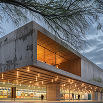




Glass has moved beyond being a simple windowpane. It’s a fundamental material in modern construction, influencing everything from building aesthetics and energy efficiency to safety and structural integrity. Architects and builders now consider glass not just for its transparency, but for its myriad of performance characteristics. Understanding these properties is key to selecting the right type of glass for any project, ensuring both form and function are met. The evolution of glass technology means we have access to materials that can dramatically alter how a building interacts with its environment.
For those seeking in-depth information and resources on various aspects of glass, including its applications in building and construction, the mrglas.org website offers a comprehensive collection of guides and technical details. Exploring their materials can provide valuable insights for professionals and enthusiasts alike.
The Many Faces of Architectural Glass
The variety of glass available for architectural purposes is extensive. Gone are the days of a single, standard pane. Today, we see float glass, tempered glass, laminated glass, and insulated glass units, each offering distinct advantages. Float glass, the most common type, is produced by floating molten glass on a bed of molten tin. Its smooth, uniform surface makes it ideal for everyday windows. Tempered glass, also known as safety glass, is four times stronger than standard glass and fractures into small, granular pieces when broken, significantly reducing the risk of injury. Laminated glass, composed of two or more layers of glass bonded together with a plastic interlayer, provides enhanced security and sound insulation. Insulated glass units, often called double or triple glazing, consist of two or more glass panes separated by a spacer filled with air or inert gas, which greatly improves thermal performance.
Beyond these basic types, specialized coatings and treatments further expand the possibilities. Low-emissivity (low-E) coatings, for instance, are microscopically thin, transparent coatings that reflect infrared light while allowing visible light to pass through. This reduces heat transfer, keeping buildings cooler in the summer and warmer in the winter, thereby cutting down on energy costs. Similarly, solar control glass is designed to reduce the amount of solar heat gain, essential for sunny climates.
Glass and Energy Efficiency
Energy efficiency is a major concern in contemporary building design, and glass plays a critical role. The U-factor, which measures how well a product prevents heat from escaping, is a key metric. A lower U-factor indicates better insulation. Another important factor is the Solar Heat Gain Coefficient (SHGC), which measures how much solar radiation is admitted through a window. Lower SHGC values mean less solar heat gain, which is beneficial in warmer climates to reduce cooling loads. Selecting glass with appropriate U-factors and SHGC values, often achieved through advanced coatings and inert gas fills in insulated units, can lead to substantial savings on heating and cooling bills. The National Fenestration Rating Council (NFRC) provides standardized ratings for windows, doors, and skylights, helping consumers make informed choices.
Considerations for energy-efficient glass include:
- The type of low-E coating applied.
- The type of gas fill between glass panes (e.g., argon or krypton).
- The width of the space between the glass panes.
- The frame material and its thermal properties.
Safety and Security Features
The safety and security aspects of architectural glass are paramount, especially in commercial buildings and high-risk areas. Tempered glass is often mandated for doors, windows near floors, and in bathrooms due to its breakage pattern. Laminated glass offers a significant barrier against forced entry and can also help contain shattered glass, preventing it from falling and causing harm. Certain types of laminated glass are even designed to resist ballistic impacts, providing an additional layer of security where needed.
The benefits of using advanced glass for safety and security are:
- Reduced risk of injury from broken glass.
- Increased resistance to forced entry and vandalism.
- Improved containment of glass shards in case of breakage.
- Potential for ballistic protection in specialized applications.
The Aesthetics of Glass
Beyond its functional attributes, glass is also a powerful design element. Its ability to transmit light, reflect the surroundings, and create a sense of spaciousness makes it indispensable for achieving modern architectural visions. Frosted glass, patterned glass, and tinted glass offer ways to control light and privacy while adding unique visual textures. Large-format glass panels can create seamless transitions between indoor and outdoor spaces, blurring the lines and enhancing the connection to nature. The reflectivity of glass can be manipulated to either blend a building into its environment or create a striking, modern statement. Furthermore, the development of self-cleaning glass, which uses a special coating to break down organic dirt with sunlight and wash it away with rain, simplifies maintenance and helps maintain the pristine appearance of glass surfaces.
Architects leverage glass for various aesthetic effects, including:
- Maximizing natural light penetration.
- Creating open and airy interiors.
- Reflecting the surrounding environment.
- Adding visual texture and pattern.
- Achieving seamless indoor-outdoor connections.
The choice of glass is therefore a multifaceted decision, requiring careful consideration of performance needs, safety regulations, energy goals, and desired aesthetic outcomes. As technology continues to advance, the capabilities and applications of architectural glass will only continue to expand, offering even more exciting possibilities for the built environment.